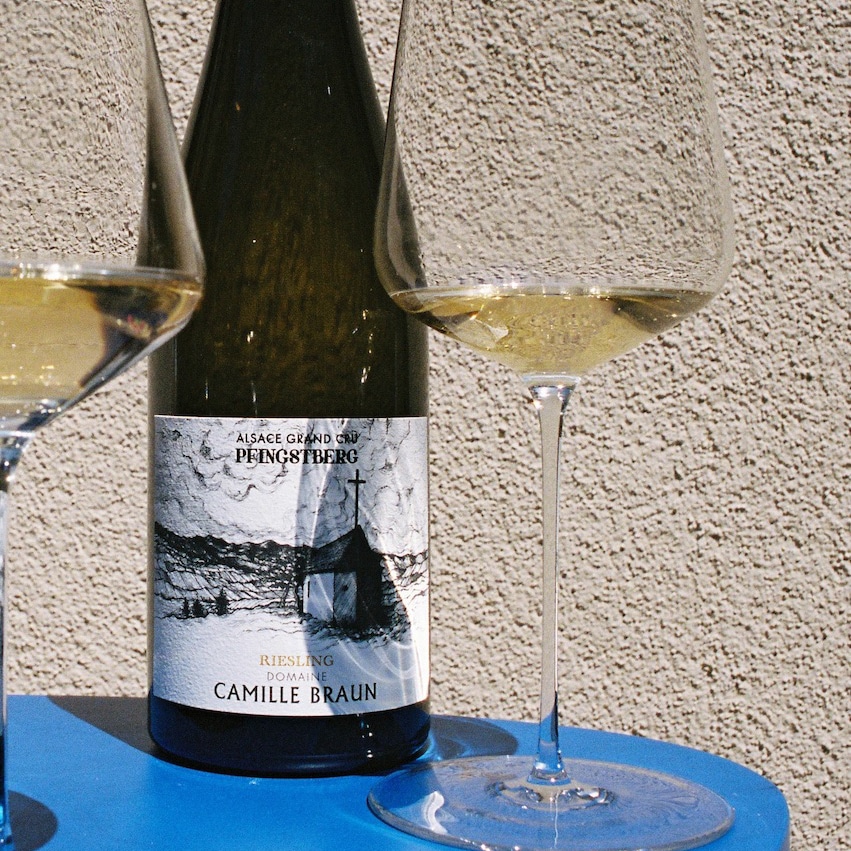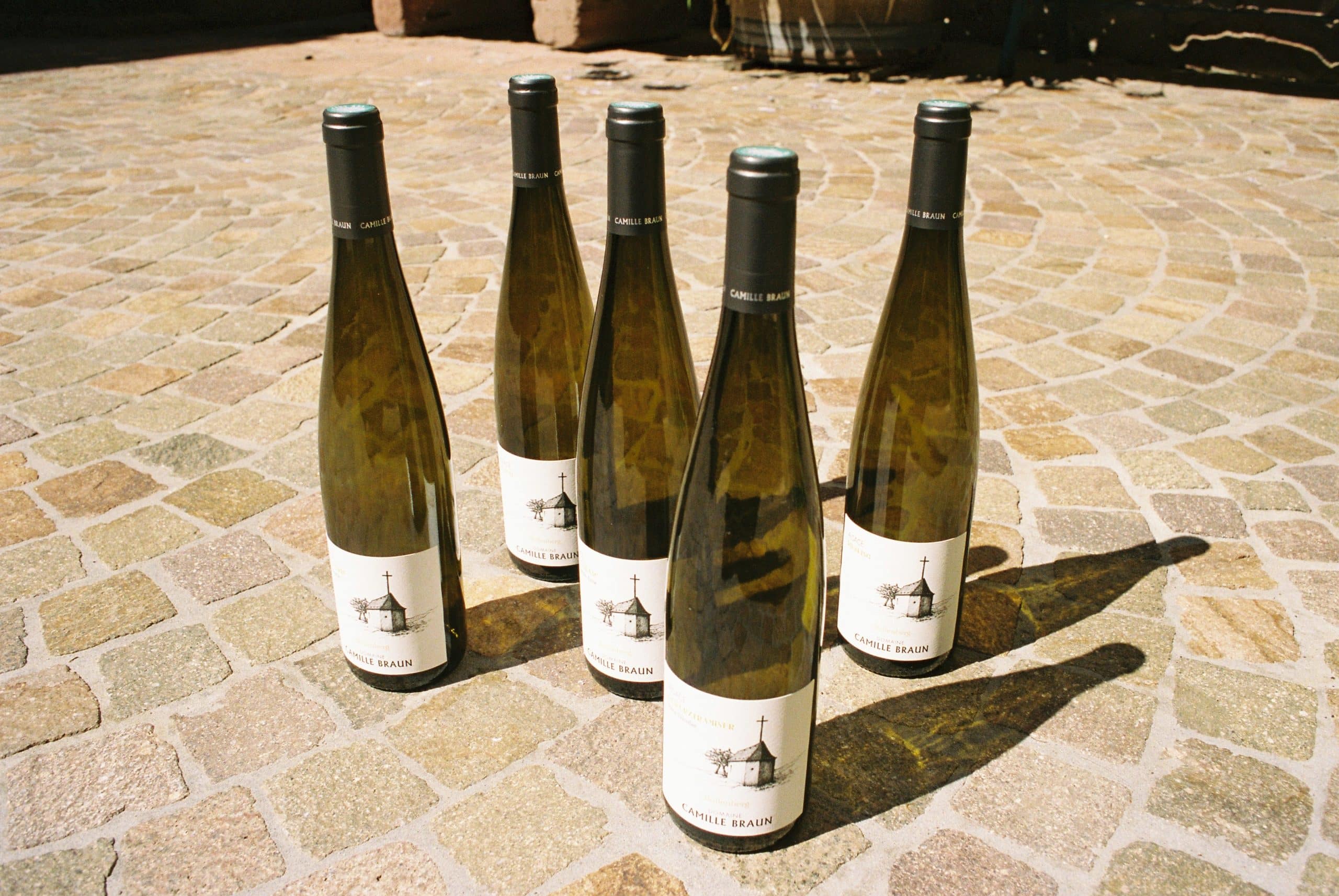
Pfingstberg Hill – The hill of Pentecost
Opposite the Luft of the Bollenberg, the hillside of the Pfingstberg slowly unfolds south-east, like a page facing the light. Here anchor the deep roots of the Grand Cru d'Orschwihr, but also those of other places-said, discreet and precious.
His name dates back to the first lights of the Middle Ages: Phinisberge in 1282 in an act of purchase, then Pfinkerstberge in 1299, through the gift of knight Richard d'Epfig to the convent of Unterlinden. Pfingstberg, «Mount Pentecost», says something of the spirit of the place: an elevation, a breath, a sacred impulse.
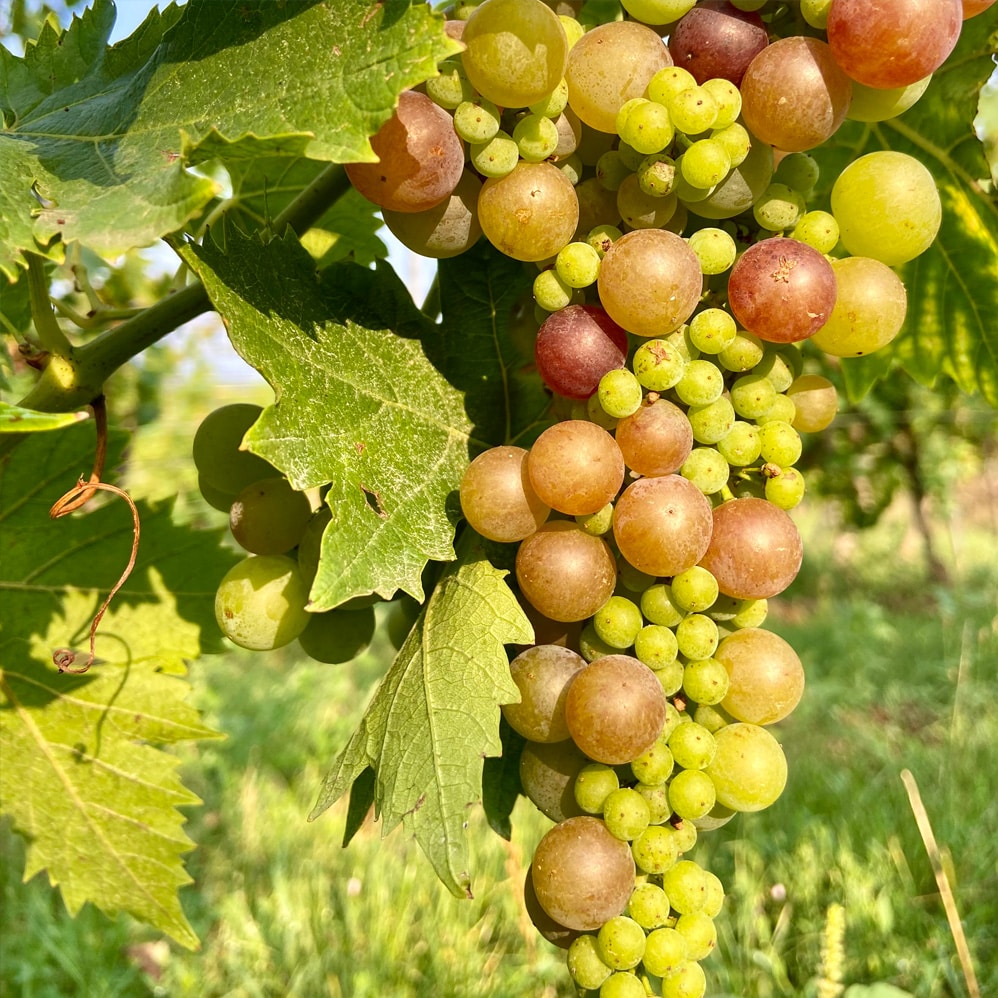
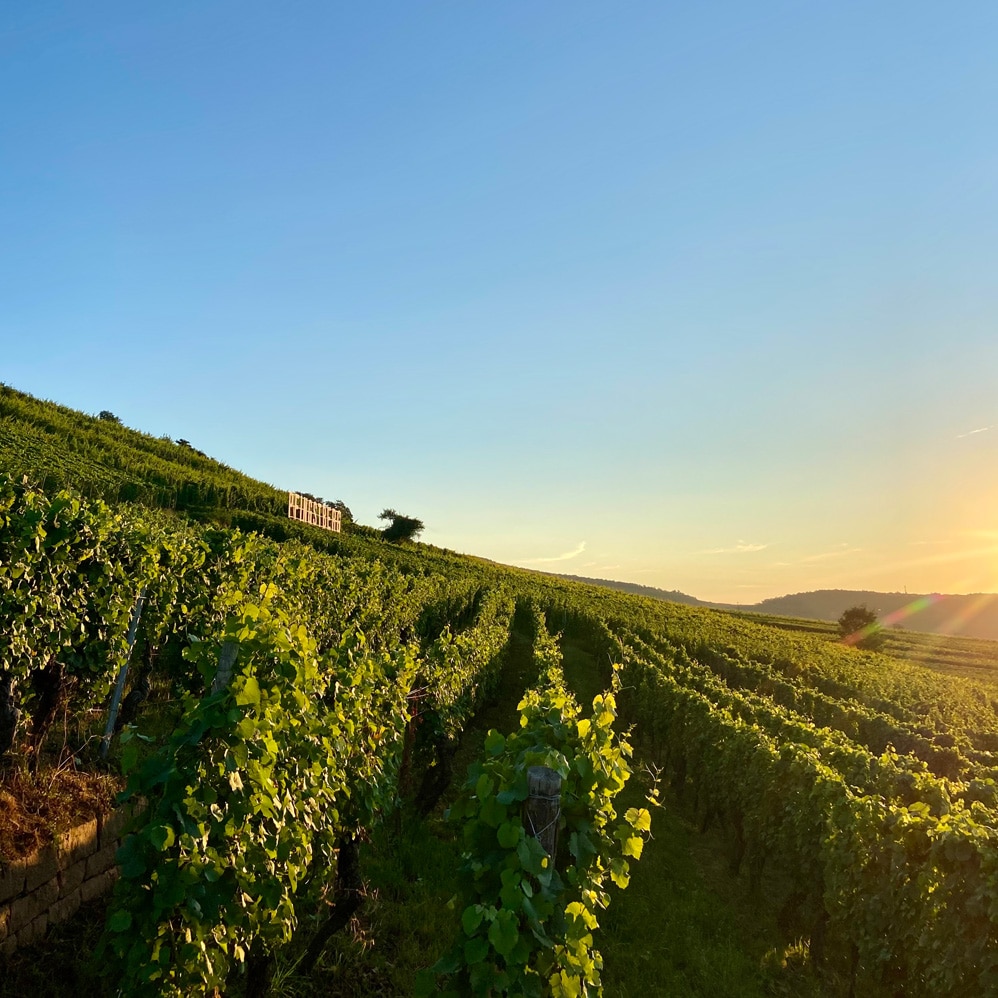
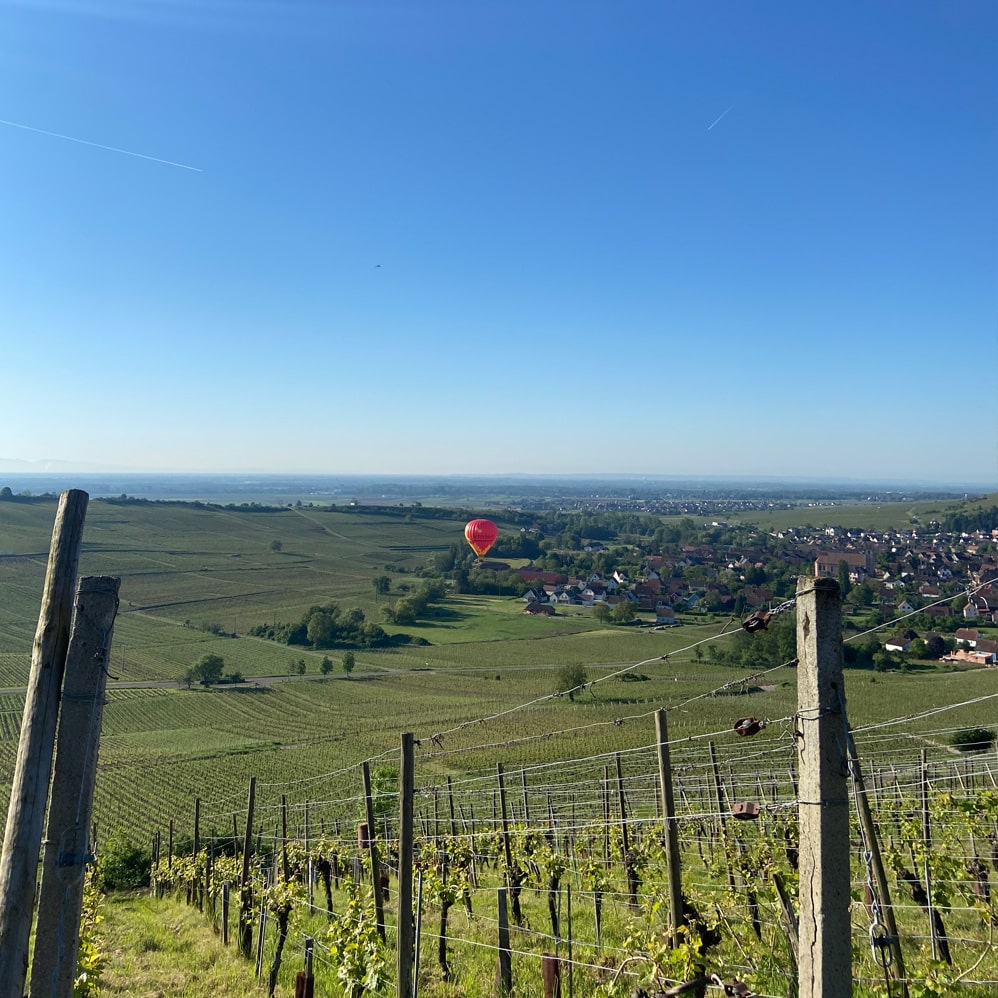
Pfingstberg – Great Cru elevation
Pfingstberg [ n,, trad. ] : the hill of Pentecost
In front of it, the Pfingstberg hill opens its southeast page, between 275 and 370 meters. Medieval name, continuous use, human sculptures — walls, terraces — which discipline the relief and give the place its character: the Pfingstberg is not a climate that imposes itself, it is a climate that raises. Verticality is not austerity; It's a form of politeness.
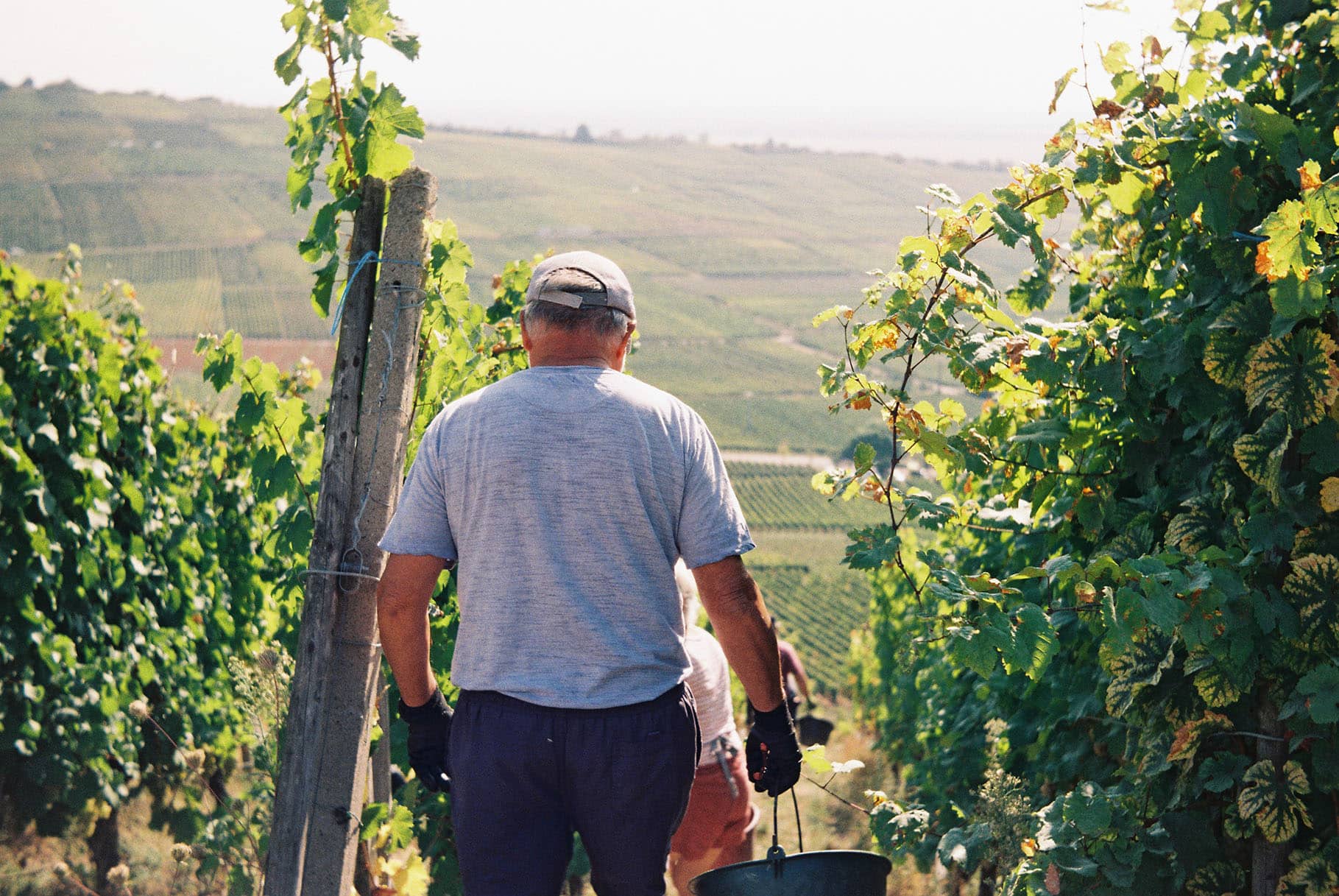
In the soil, the succession of Muschelkalk — shellfish limestone, marine memory — Then micaceous sandstone and Vosges sandstone composes a calming mechanism. Water infiltrates without excess, heat stores without violence. Climate extremes lose their edge ; The vintage gains a more nuanced register. The fruit does not swell, it stretches; acidity does not cut, it carries.
Wine Pfingstberg says elevation more than power. It draws a clear line in the mouth, installs on a contained energy, deposits a length without hammering. It is a climate of held: what he refuses — The emphasis, the heaviness — defines it as much as it offers.
Under this great register, other voices touch.