
Wines of Places-Dits

These places are full climates: the Luft, Lippelsberg, Meissenberg... Each with his voice, his depth, his water, his wind. Their wines do not rush: they settle down, and draw the intimate mosaic of Orschwihr, shade after shade.
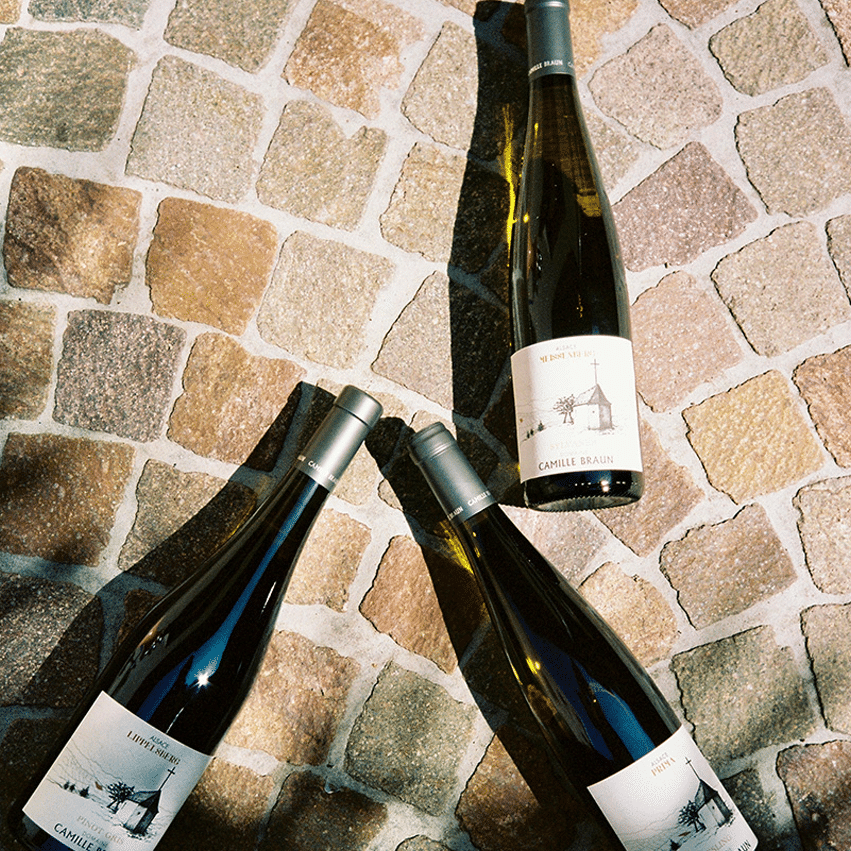
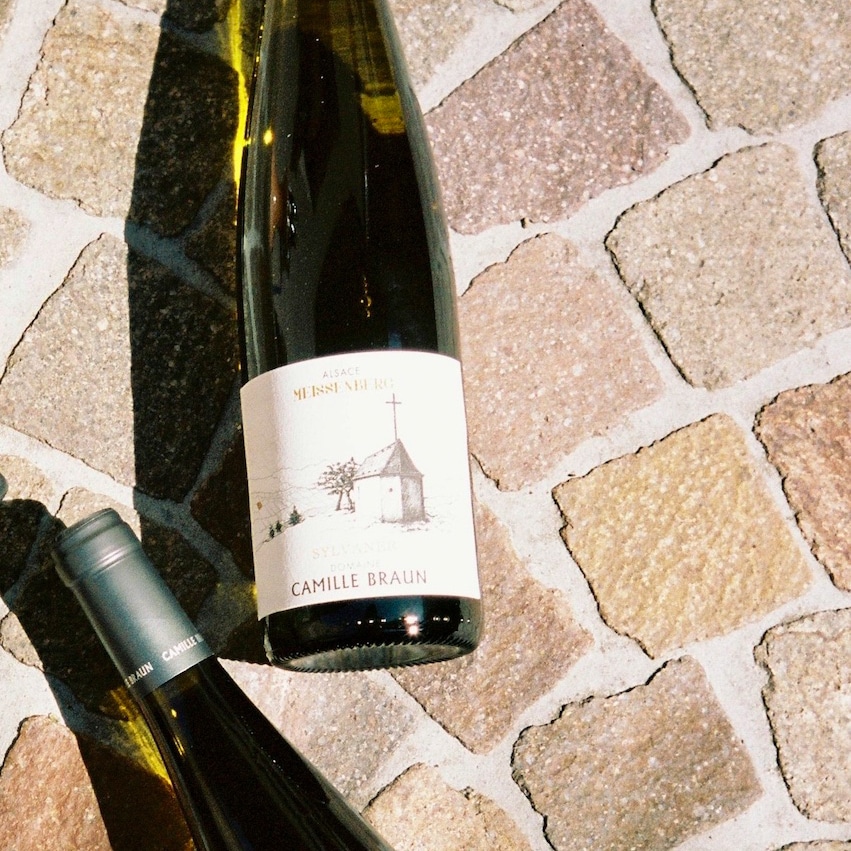
MEISSENBERG
Surface: 31 acres
Year of planting: 1961
Exposure: East
Last wall before the forest, the Meissenberg gives wines that speak low but just. The nose opens with restraint: white flowers, ripe citrus fruits, touch of moist stone, sometimes a note of fine grass. In the mouth, the matter is dense without looking heavy. The stone-stone duo brings both structure and precision: the wine holds its line, without hardness, with a discreet tension that prolongs the finish. A climate of discreet finesse, where complexity is more in length than in width.
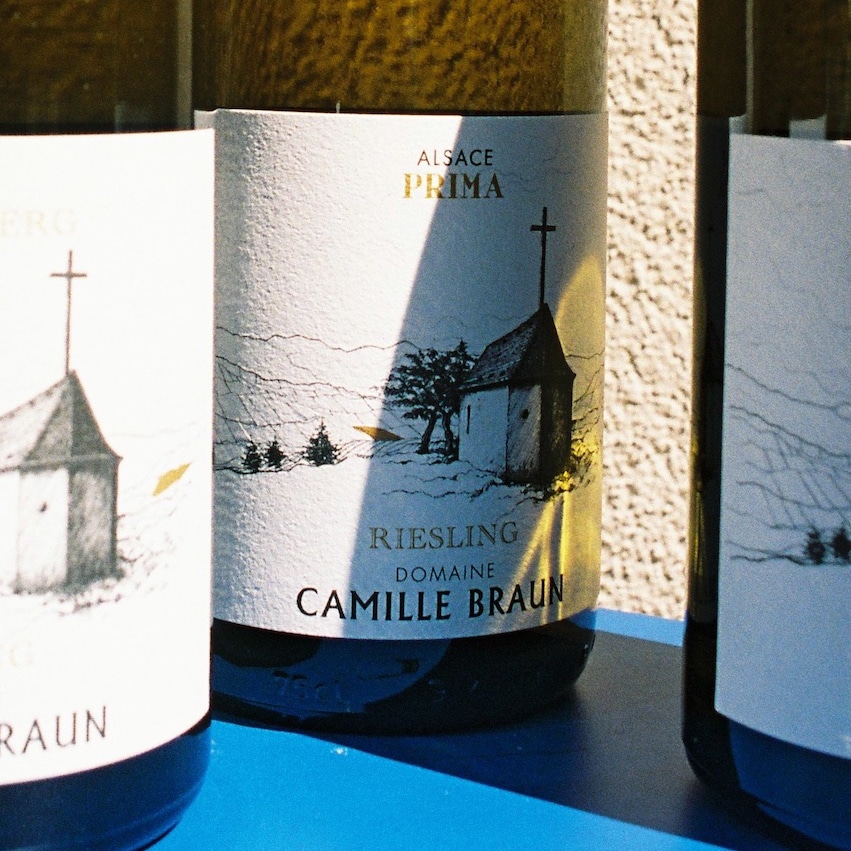
PRIMA
Surface: 27.89 ares
Year of planting: 2008
Exposure: East
Prima bears his name: « It's okay. » in Alsatian, but also « at the beginning of » Latin. Born of a single plot, the final threshold before the Grand Cru Pfingstberg, this cuvée plays the map of clarity and momentum. The nose shows a clean fruit, already precise without overload: citrus fruit, stone fruits, with a slight noble grassy side that brings relief.
In the mouth, the frame is straight, the wine runs without dispersing. The floor is still writing its style, but already the freshness of the exhibition is felt, with a lively and clear finish. It is a climate of future: an alphabet that is composing, where one perceives the promise more than the emphasis.
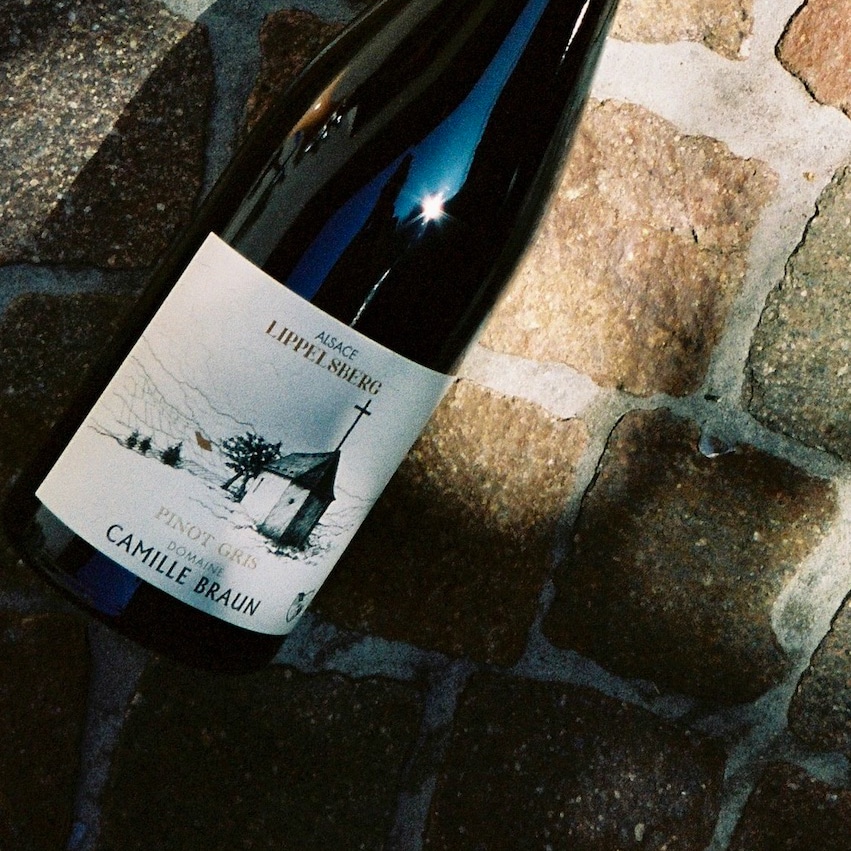
LIPPELSBERG
Surface: 40.23 ares
Year of planting: 1996
Exposure: East
Under the high tenor of the Pfingstberg, the Lippelsberg gives the wines sitting, laid, almost paradoxal. The nose opens onto a ripe but quiet fruit – pear, quince, a breath of light honey – leaning on a lively mineral background, a discreet elegance. In the mouth, you immediately feel the width of the ground: the matter is full, enveloping, almost fleshy, to the point of making it seem for a moment to some residual sugars. But the wine is dry, without concessions, held by a freshness that holds more than it directs. The middle of the mouth fills, the finish remains laid, with an impression of stability, as a point of equilibrium that is reached effortlessly. A wine that soothes more than it boils, a natural companion of seasonal dishes.
BUCHROD
Surface: 10.26 ares
Year of planting: 2005
Exposure: East
On the edge of the Grand Cru, the Buchrod loves light. For a long time, this climate has given wines of controlled richness, complex aromatic, drawing towards bee wax, ripe yellow fruits and white flowers. Today, it wants to be dry and bright. In the nose, this complexity remains, but it is expressed with more clarity: ripe citrus, discreet honey, fine wax, on a hot stone bottom. In the mouth, the attack is sharp, the frame slender. The sandstone and the opening to the sky bring sharpness and energy: a clear, precise wine, which keeps only little fat. The finish tends, almost crystal clear, on a luminous intensity held. A controlled climate of de-lens, where the wealth of the past is now at the service of righteousness.
SONNGLANZ
Surface: 33.74 ares
Year of planting: 1990 & 2009
Exposure: South-east
In the heart of the Bollenberg, Sonnenglanz wears the light as a standard. The nose is generous: fruit with ripe cores, solar flowers, light honey notes, sometimes a spicy touch. In the mouth, the flesh adds to the frame: satin texture, wide mouth medium, but a mineral frame keeps up, refusing softness. The finish extends on a clarity of stone, more than on the aromatic richness alone. A climate of controlled light, where generosity remains under control.
NEWBERG
Surface: 49,68 ares
Year of planting: 2005 & 2006
Exposure: East
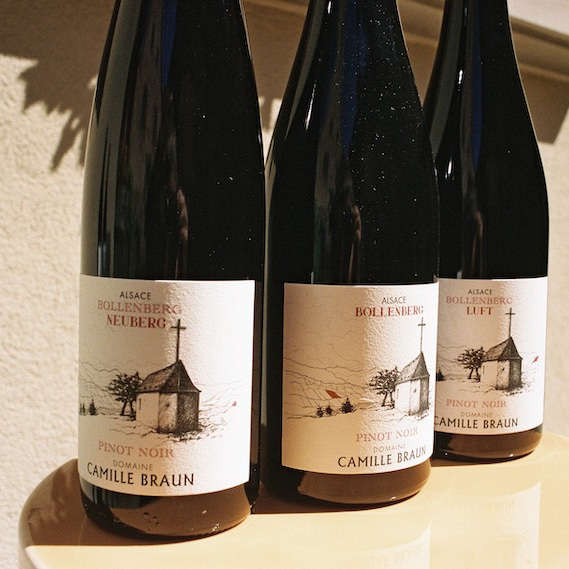
At the edge of the ridge, the Neuberg gives the most vertical black pinots. The nose holds in a tense register: acid cherry, currant, pomegranate bark, cold stone, almost a mineral line that evokes wet limestone. In the palate, everything is a matter of structure: fine but very present acidity, narrower than wide material, elegant tannic frame, straight finish and salivating. The fruit is held, aromatic chiseled, the feeling of limestone very clear. A clear line wine, which targets those who love straight red, nervous, without unnecessary concessions. The Pinot Noir du Neuberg is not looking for roundness: it prefers precision, lalan, tension that carries away.
LUFT RIESLING
Surface: 47.4 ares
Year of planting: 1978
Exposure: West
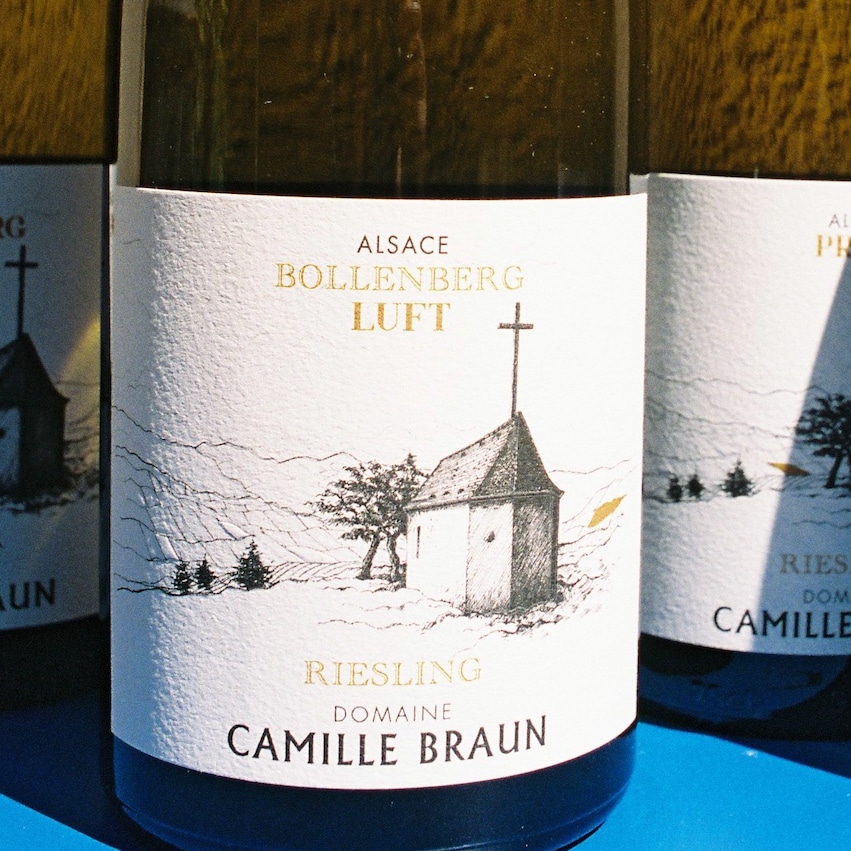
West face, deep clays and marnes of the Keuper: the Luft riesling speaks low but deep. In the nose, ripe citrus fruits cross white peach, flower, with a chalky background. In the mouth, the amplitude is there, but always refreshed by this regular wind which one thinks guess in the texture. The soil water reserve gives a full, never dry material, with a long, fresh, almost soothing finish. A reserve riesling, more meditative than demonstrative.
Luft Gewurztraminer
Surface: 63.95 ares
Year of planting: 1971
Exposure: West
The Luft's gewurztraminer takes the grape variety backwards: here, no syrupy, but a seated generosity. The nose expresses rose, spices, exotic fruits, but in a felted register, less stinging than on the more solar slopes. In the mouth, the depth of clays gives volume, but the wind of the Noble Valley brings an unexpected freshness. The wine settles widely, takes its time, then a slight elegant bitterness and an underlying freshness come to tender the finish. A climate of duration, for a gewurztraminer who prefers serene to spectacular magnitude.
LUFT PINOT BLACK
Surface: 38.79 ares
Year of planting: 1998 and 2011
Exposure: West
On the west side, the Luft imposes a more serious, almost austere conversation. This black pinot of cold earth gains in restraint and nuance, with an incopiable telluric dimension. The nose mixes dark red fruits, violet, white pepper and a irony touch, on a cold background that signs the climate. In the palate, the wine progresses with gravity: soft but present tannins, dense matter, clear freshness and affirmed minerality. The depth of the soil and the natural ventilation give a serene balance red, without seeking to impress by force. It is a black guard pinot, with a single frame, with a persistent length. The Luft holds its rank: a wine which prefers conversation to declaration, and which takes time to reveal its nobility.